India’s Beauty Industry Under the Microscope:
CDSCO Declares Injectable Cosmetics Illegal
In a landmark advisory, India’s top drug regulator has ruled that no cosmetic product — not botox, not glutathione drips, not skin fillers — can legally be administered through a needle. The move rattles a ₹5,800-crore industry built on Instagram promises and dangerously thin medical oversight.
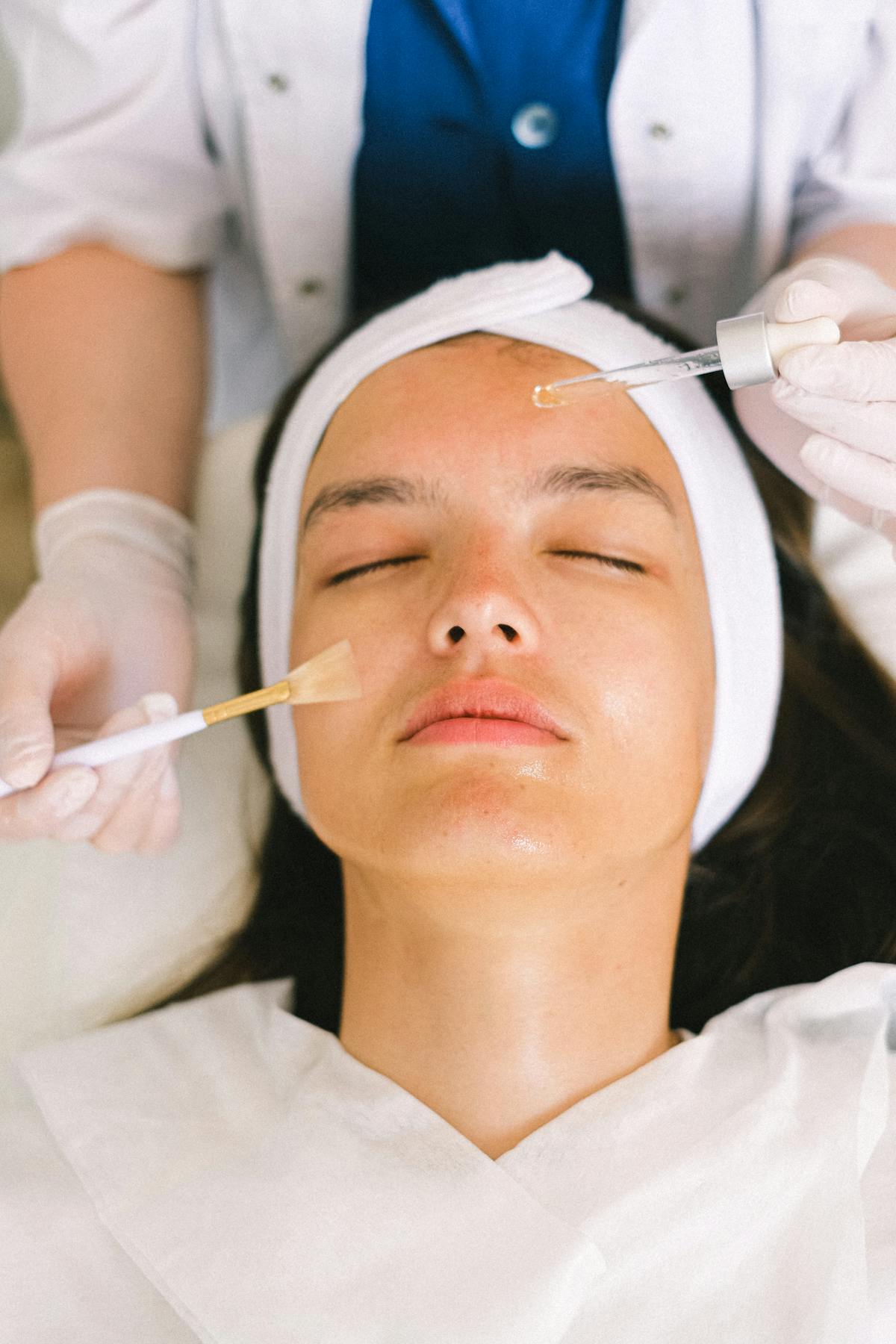
Cosmetic injectable procedures are now under direct scrutiny of India’s drug regulators. (Image: Pexels / CC0)
The pitch is irresistible. Glowing skin. Instant radiance. Wrinkles erased. One injection, fifteen minutes, a brand new you. Walk into any of the thousands of aesthetic clinics mushrooming across Delhi, Mumbai, Bengaluru, or even Tier-2 cities like Indore or Lucknow, and someone will happily sell you that dream — for a price. But now, India’s highest drug regulatory authority has drawn a line in the sand: what was being sold as a cosmetic service is, in the eyes of the law, a medical procedure — and running it without proper drug approvals is a punishable offence.
On May 18, 2026, the Drugs Controller General of India (DCGI), operating under the Central Drugs Standard Control Organisation (CDSCO), issued a sweeping public advisory that has sent a shockwave through India’s booming aesthetic medicine industry. The notice is unambiguous in its language and far-reaching in its implications. It states that no cosmetic product is permitted to be used for injection by consumers, professionals, or aesthetic clinics. Any substance that enters the body through a needle — regardless of how it is marketed, branded, or packaged — is governed not by cosmetics law, but by drug law.

Aesthetic clinics across India have expanded rapidly, often operating in regulatory grey zones. (Image: Pexels / CC0)
What the Law Actually Says — and Has Always Said
The CDSCO’s advisory does not introduce new legislation. It enforces existing law that the industry has largely ignored for years. The Drugs and Cosmetics Act of 1940 — the foundational legislation governing both drugs and beauty products in India — defines a cosmetic very specifically.
“Cosmetic means any article intended to be rubbed, poured, sprinkled or sprayed on, or introduced into, or otherwise applied to, the human body or any part thereof for cleansing, beautifying, promoting attractiveness, or altering the appearance, and includes any article intended for use as a component of a cosmetic.”
The operative word that the industry missed for decades is the mode of application — external application. The law lists rubbing, pouring, sprinkling, and spraying as acceptable delivery methods. An injection syringe is conspicuously absent from that list. The Cosmetics Rules of 2020, which operationalise manufacturing and import standards, reinforce this same boundary.
The CDSCO’s notice therefore functions as a clarification-with-teeth: everything currently being sold at aesthetic clinics as a “cosmetic injectable” — glutathione whitening drips, hyaluronic acid skin boosters, botulinum toxin (botox) injections, dermal fillers — does not legally qualify as a cosmetic under Indian law. To inject these substances into a human body, they must be classified, tested, approved, and distributed as drugs. Very few of the products currently circulating in clinics and spas have undergone that process.
“No cosmetic is permitted to be used for injection by consumers, professionals or aesthetic clinics. Cosmetics are only intended to be rubbed, poured, sprinkled or sprayed on the human body.”
— CDSCO Public Advisory, May 18, 2026
A ₹5,800-Crore Industry Built on Regulatory Ambiguity
To understand why this advisory is so disruptive, one needs to understand the sheer scale and velocity of growth the aesthetic injectable market has seen in India over the past decade — and especially in the post-pandemic years.
In 2024 alone, India saw approximately 12.5 lakh (1.25 million) aesthetic beauty treatments performed across the country. The 18-to-34 age group has emerged as the fastest-growing consumer segment, with demand rising at a compounding rate of 16.83% annually. Social media platforms — Instagram Reels, YouTube Shorts, influencer-driven before-and-after videos — have normalised procedures that were once the exclusive preserve of film celebrities and the super-wealthy.

Social media-driven beauty anxiety has become a primary driver of cosmetic procedure demand among young Indians. (Image: Pexels / CC0)
The same dynamics that drove growth also created the grey zone the CDSCO is now trying to close. Clinics operating as “wellness centres” or “aesthetic studios” existed in a regulatory no-man’s-land, purchasing products labelled as cosmetics and administering them through injections without any requirement for drug approval, pharmacovigilance reporting, or mandatory physician oversight. The market expanded; enforcement did not.
As far back as October 2018, CDSCO officials conducted raids and noted that “new generation cosmetics like stem cell-based cosmetics, serums, skin whitening creams, glutathione injections, and hyaluronic acid filler injections are being marketed without evaluating their safety and quality.” Eight years later, the pattern has not only continued — it has accelerated dramatically.
The Popular Treatments Now in Legal Jeopardy
Glutathione Injections & Whitening Drips
Of all the treatments targeted by the CDSCO advisory, glutathione injections carry perhaps the most visible marketing footprint in India. During every wedding season, social media fills with influencer testimonials about “bridal glow drips” and “instant fairness” treatments. Clinics offer it as an IV drip, promising whiter, brighter skin within sessions.

IV drip therapies marketed as skin whitening or anti-aging treatments have proliferated across India’s urban aesthetic clinics. (Image: Pexels / CC0)
Glutathione is a naturally occurring antioxidant produced by the body. The National Library of Medicine (NCBI) notes that it has legitimate medical uses — supporting liver function and reducing oxidative stress in specific clinical conditions. However, its cosmetic claim of skin lightening has never been scientifically validated to a standard acceptable for drug approval. Multiple international health regulators — including the Philippine FDA — have previously banned intravenous glutathione for cosmetic purposes precisely because its safety-to-efficacy ratio for skin whitening is deeply unfavourable. India’s CDSCO has now effectively aligned itself with this position.
What does exist is a documented side-effect profile: kidney complications, liver stress, thyroid disruption, and severe skin reactions have all been reported in clinical literature.
Botox (Botulinum Toxin)
Botulinum toxin, commercially known as Botox, is a neurotoxin that, in controlled clinical doses, temporarily paralyses muscle contractions to smooth out expression lines and wrinkles. When used correctly by a trained medical professional, it is an established and relatively safe procedure. The problem in India is the growing distance between “correctly, by trained professionals” and how it is actually being administered across the country.
A wrong dose or an injection placed in the wrong muscle group can produce consequences ranging from the aesthetically disastrous to the medically dangerous: facial asymmetry, drooping eyelids (ptosis), difficulty speaking, impaired swallowing, and in extreme cases, spread of the toxin causing partial paralysis of unintended muscle groups.
Dermal Fillers
Fillers — most commonly hyaluronic acid-based — are injected beneath the skin to restore volume, smooth folds, or enhance facial contours. Their most serious complication is vascular occlusion: if filler material is inadvertently injected into or near a blood vessel, it can block blood supply to surrounding tissue, causing tissue necrosis. In rare but documented cases, filler injection near the nose or forehead has led to permanent vision loss when the filler entered the ophthalmic artery’s territory.
The Qualification Crisis Inside India’s Aesthetic Clinics
At the centre of the CDSCO’s concern is not just what is being injected, but who is doing the injecting. Delhi-based Senior Dermatologist Dr. Deepali Bhardwaj noted that many of these injectables are being administered across 100+ beauty and wellness clinics in Delhi alone — with practitioners spanning an enormous range of actual qualifications.

India’s aesthetic clinic boom has outpaced regulatory oversight, with many practitioners operating without specialised training. (Image: Pexels / CC0)
Some practitioners are fully qualified: dermatologists holding MD (Dermatology) or DDV (Diploma in Dermatology and Venereology) degrees, with additional hands-on training in cosmetic injectables. But a large and growing segment of the market is not. Dentists with BDS or MDS degrees are conducting botox and filler procedures after short weekend courses. AYUSH practitioners — qualified in Ayurveda, Homeopathy, or Unani medicine — are performing allopathic injectable procedures that fall entirely outside their licensed scope of practice, making these procedures not just medically risky but legally impermissible. Gym instructors, beauty therapists, and spa technicians have also been documented administering injections.
⚠ Documented Risks of Unregulated Cosmetic Injectables
- Kidney and liver complications from glutathione infusions
- Thyroid disruption linked to high-dose glutathione use
- Facial asymmetry and drooping eyelids from incorrectly dosed botox
- Speech and swallowing difficulty from botulinum toxin spread
- Tissue necrosis from vascular occlusion by filler material
- Vision loss in rare cases when fillers occlude ophthalmic vessels
- Infections and abscesses from non-sterile injectable conditions
- Nerve damage from poorly guided injections
- Anaphylactic reactions to unapproved or counterfeit formulations
Many of the products in circulation are counterfeit or substandard. Because injectable cosmetics were never regulated as drugs, supply chains have been informal. Products are sourced cheaply from online marketplaces, sometimes even by patients themselves, who then bring them to clinics for administration. The provenance, sterility, concentration, and actual ingredient accuracy of these products is entirely unknown.
What Exactly Has CDSCO Prohibited — and What Happens Next
The May 2026 advisory covers three distinct but interconnected issues. First, the injectable administration question: no cosmetic product may enter the body through a needle. Products administered in injectable form are classified as drugs and must go through the corresponding approval pathway — clinical trials, safety data, regulatory submission, and CDSCO approval.
Second, the treatment claims issue: cosmetics cannot be promoted for treatment purposes. A product that claims to “treat” ageing, “cure” pigmentation, or “repair” damaged skin is making medical claims — those require drug classification, not just cosmetic labelling. The advisory explicitly states that cosmetics cannot be used for treatment purposes by professionals or individuals.
Third, the misleading marketing issue: the CDSCO reiterated the prohibition on false or misleading claims. This directly targets the social-media-driven promotional ecosystem where influencers make extraordinary efficacy claims for products that have no scientific validation.

India’s Drugs and Cosmetics Act of 1940 draws a clear legal line between cosmetics and drugs — a line the aesthetic clinic industry has long blurred. (Image: Pexels / CC0)
The advisory also addressed ingredient safety, directing attention to the Bureau of Indian Standards’ list of Generally Not Recognised as Safe (GNRAS) and restricted ingredients. Several compounds routinely used in injectable cosmetics — including certain formulations of hyaluronic acid and glutathione — appear on this list. Products containing these ingredients face regulatory action under the Drugs and Cosmetics Act.
The three categories explicitly named — consumers, professionals, and aesthetic clinics — signal that enforcement is not confined to manufacturers and importers. Practitioners administering these treatments and clinics facilitating them are now directly in the regulatory crosshairs. State licensing authorities have been tasked with receiving complaints and initiating action.
Why People Keep Saying Yes: The Psychology of the Beauty Injection Economy
Regulation can change what is legal. It is less efficient at changing what is desired. India’s cosmetic injectable boom is not primarily a healthcare phenomenon — it is a social media phenomenon, amplified by centuries-old cultural anxieties around skin colour and a post-pandemic explosion in screen time. Every image on Instagram is filtered. Every celebrity’s skin is professionally lit and post-processed. And gradually, a generation of young Indians has been conditioned to regard their natural skin as a problem requiring a solution.
Ageing, in this visual culture, is no longer a biological process. It is an affliction. Wrinkles, dark circles, and pigmentation have been pathologised by an industry whose profitability depends entirely on manufactured inadequacy. The shortcut culture that follows — the “one injection, new confidence” pitch — is a direct commercial response to this engineered insecurity.
“Society has built a culture where beauty insecurity sells, and social media amplifies that insecurity every single day.”
— Analysis of the Aesthetic Injectable Market, India 2026
A Consumer’s Guide to Navigating This Space Safely
Qualify Your Practitioner
The only professionals legally and medically equipped to administer cosmetic injectables are qualified dermatologists and plastic surgeons with additional specialised training. Look for:
- MD Dermatology or DDV (Diploma in Dermatology and Venereology) — the minimum baseline for a skin specialist
- Membership in the Indian Association of Dermatologists, Venereologists and Leprologists (IADVL)
- Documented formal training in cosmetic injectables — not a weekend workshop but a supervised fellowship
- A verifiable track record and the ability to handle complications on-site
Evaluate the Clinic
The physical environment matters as much as the practitioner’s credentials. Key quality indicators include:
- ISO 9001 — confirms quality management systems for patient services
- ISO 13485 — confirms safety and maintenance of medical equipment and devices
- ISO 14001 — indicates proper biomedical waste disposal practices
- ISO 45001 — confirms infection control protocols and emergency management
- Laser Safety Certification, if laser procedures are offered

ISO-certified clinics with qualified dermatologists remain the only legally sanctioned setting for legitimate aesthetic medical procedures. (Image: Pexels / CC0)
Avoid These Settings Entirely
- Beauty salons and parlours
- Spa and wellness centres
- Gyms and fitness studios
- Home-visit cosmetic service providers
- Any practitioner whose primary qualification is not in medicine
If you observe injectable cosmetic procedures being administered in any of these settings, the CDSCO has explicitly urged consumers to report violations to their respective State Licensing Authorities or directly to CDSCO through its official grievance portal.
The Road Ahead: Advisory, Enforcement, and Industry Reckoning
The CDSCO advisory is significant in its clarity, but advisories are only as effective as the enforcement machinery behind them. India’s healthcare regulatory infrastructure — stretched across 28 states and 8 union territories, each with its own licensing apparatus — has historically struggled to keep pace with market innovation at the ground level. The 2018 CDSCO raids documented the same problem. The market absorbed the disruption and kept growing.
What is different in 2026 is the scale of the problem and, arguably, the public’s growing awareness of the risks involved. Reports of adverse reactions from injectable cosmetics have escalated — not just in niche medical literature, but in mainstream news coverage. A death linked to an unregulated drip therapy, a celebrity’s face permanently altered by a botched filler, a lawsuit against a spa that left a client with nerve damage: these stories now travel quickly across the same social media channels that created the demand for these treatments in the first place.
For legitimate dermatologists and plastic surgeons — who have watched unqualified competitors undercut them on price and flood the market with unsafe practices — the advisory represents long-overdue vindication. For the aesthetic clinic industry’s grey and black zones, it is an existential challenge. And for the millions of young Indians who have been told that beauty comes in a syringe, it is perhaps an invitation to reconsider what they are really being sold.
The CDSCO’s position is legally correct, medically defensible, and long overdue. Whether it translates into meaningful enforcement or becomes another notice filed and forgotten will depend on the political will to take on an industry generating thousands of crores in revenue. That question remains open. What is no longer open is the legal status of the injectable beauty economy. It never was what it claimed to be.

Pankaj Dubey is an entrepreneur, business analyst, digital marketer, financial researcher, and brand strategist. He specializes in developing marketing strategies, building and positioning brands, and conducting in-depth business and financial research. He is also known for creating detailed case studies on reputed brands, analyzing market trends, and sharing insights through his writing and blogging. His work combines business intelligence, strategic thinking, and digital innovation to help businesses grow and strengthen their market presence.