

Appy Fizz
The “sparkling apple drink” that is not really apple — and contains more sugar than most people realise
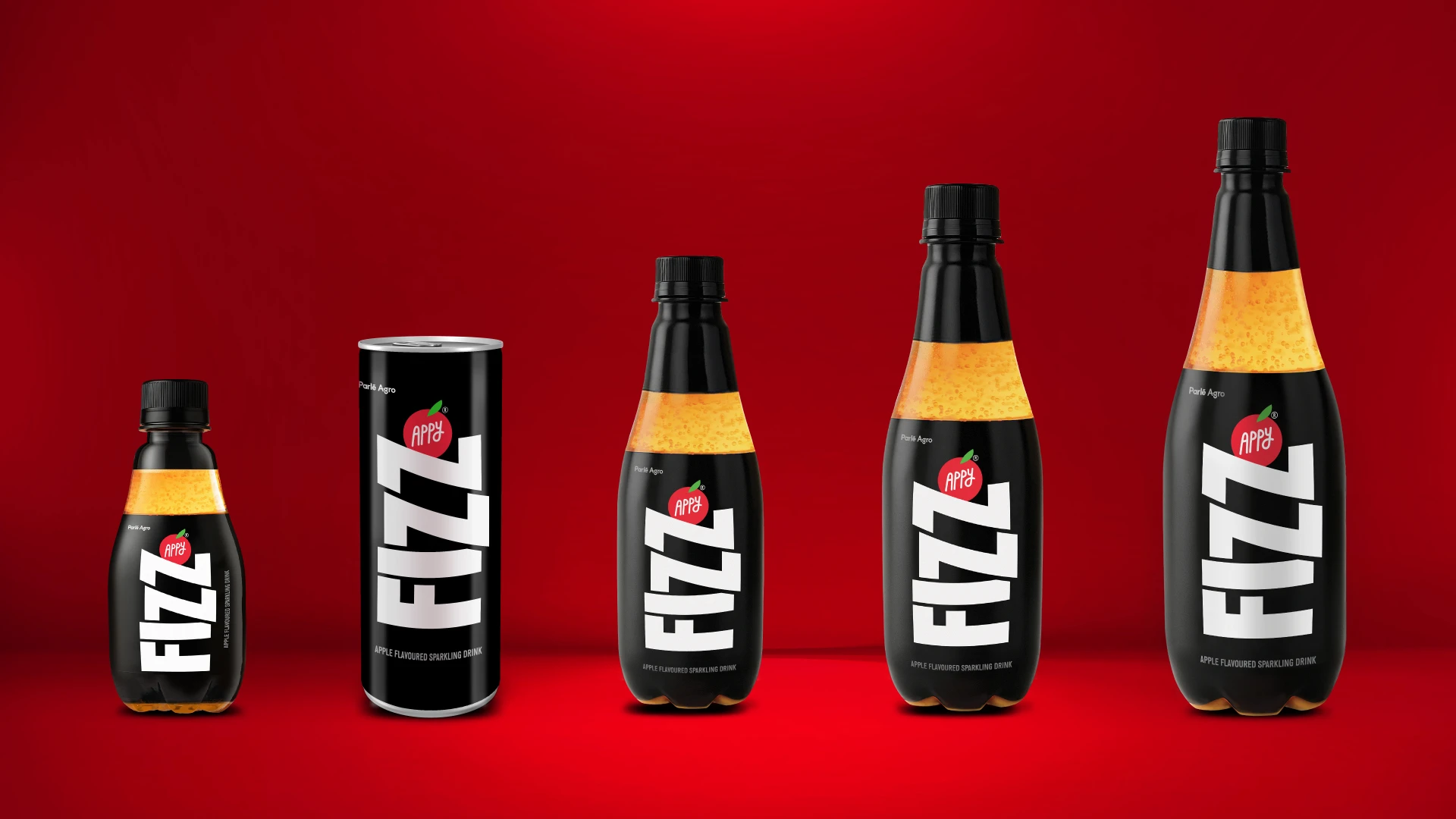
Picture the scene: a celebration, a restaurant table, someone orders “something different.” Out comes the iconic black bottle with the gold neck — Appy Fizz. It feels premium. It feels like a grown-up, sophisticated choice over regular cola. After all, it is an “apple drink,” right? Something with fruit in it?
That is the clever marketing at work. Appy Fizz has spent decades building an image of being a classy, fruit-forward alternative to cola. But flip the bottle around, read the nutrition label, and a very different picture emerges — one of added sugars, reconstituted concentrate, synthetic preservatives, and artificial colour. This is the review that tells you exactly what you are actually drinking when you open that elegant black bottle.
Genuine Review Notice: This is an independent analysis based on Parle Agro’s own nutrition label, FSSAI ingredient regulations, and published food science. No brand payment or sponsorship. We call it as we see it — including both positives and negatives.
The First Truth: Is There Real Apple in Appy Fizz?
The bottle says “Sparkling Apple Drink.” The logo has an apple. The name has “Appy.” So you would expect actual apple juice, right? Here is what the label actually tells us:
Reconstituted Apple Juice Concentrate — Not Fresh Apple Juice
Appy Fizz contains reconstituted apple juice — this means apple juice that was originally squeezed, then boiled down into a thick syrup (concentrate) to reduce transport weight, and later re-diluted with water at the factory. This process destroys most natural apple enzymes, reduces vitamin content significantly, and produces a flat flavour that needs artificial boosting. There is apple in there — but not in any form you would call natural or nutritious.
Under FSSAI rules: A product labelled “Fruit Drink” must contain a minimum of 10% fruit juice. A product labelled “Fruit Juice” must contain 100% juice with no added sugar. Appy Fizz is a Carbonated Fruit Drink — not a juice — meaning it contains a minimum of 10% apple, the rest being water, sugar, and additives. Parle Agro does not disclose the exact apple percentage on the label, which is legally permitted but limits consumer transparency.
Full Nutrition Facts — Every Number Explained
Serving size is 125ml — one full bottle. Here is what every number on the black label actually means for your health.
Added sugar in one 125ml Appy Fizz bottle — 16.13g = approximately 4 teaspoons
Gold = added sucrose · One bottle = 16.13g = 32.3% of daily added sugar limit · Two bottles = 64.6% before any meal
| Nutrient | Per 100ml | Per 125ml | % RDA | What This Means | Verdict |
|---|---|---|---|---|---|
| Energy | 51.8 kcal | 64.75 kcal | 3.2% | Every single calorie comes from added sugar. Zero fat, zero protein — 100% sugar calories. Nutritionally empty. | Empty calories |
| Protein | 0.0 g | 0.00 g | 0% | Zero protein. Not a nutrition source in any way. | Zero |
| Carbohydrate | 12.95 g | 16.19 g | — | Almost all carbs are pure sugar — 99.6% of total carbs are free sugars. No fibre, no starch. | All sugar |
| Total Sugars | 12.9 g | 16.13 g | — | Combined sugar from added sucrose and natural apple concentrate sugars. | Very high |
| Added Sugars (Sucrose) | 12.9 g | 16.13 g | 32.3% | One bottle = nearly one-third of your entire daily added sugar allowance. Two bottles = two-thirds. | 32.3% RDA |
| Total Fat | 0.0 g | 0.00 g | 0% | No fat of any kind. Not a fat concern. | Zero |
| Sodium | 21.2 mg | 26.50 mg | 1.33% | Low sodium — from citrate buffer and trace sodium benzoate. Not a blood pressure concern at this level. | Low |
Every Ingredient Decoded
Appy Fizz ingredient list (as per Parle Agro): Carbonated Water, Sugar, Reconstituted Apple Juice (from concentrate), Acidity Regulators (INS 330, INS 331), Preservatives (INS 211, INS 202), Natural and Nature Identical Apple Flavouring Substances, Colour (INS 150d).
| Ingredient | Code | What It Is | Role | Health Note | Verdict |
|---|---|---|---|---|---|
| Carbonated Water | — | Purified water with CO₂ under pressure — the largest ingredient by volume | Creates the fizz and sparkling sensation | CO₂ is safe. Carbonic acid is mildly acidic but less erosive than citric or phosphoric acid | Safe |
| Sugar (Sucrose) | — | Refined cane sugar — the second ingredient by weight. 12.9g per 100ml. | Primary sweetener. Source of all 51.8 kcal per 100ml. | 12.9g added sugar per 100ml is high. WHO recommends limiting daily free sugars to 25g. One bottle = 64.5% of that limit. No fibre to slow the glucose spike. | Primary concern |
| Reconstituted Apple Juice | — | Concentrated apple juice re-diluted with water. Exact percentage not disclosed. | Provides the apple flavour base and marketing justification for the “apple drink” label | Reconstituted juice loses most vitamins and enzymes in concentration. The apple nutrition is minimal. Better than zero real fruit but nowhere near fresh juice. | Reconstituted |
| Citric Acid | INS 330 | Organic acid from citrus fermentation — most widely used food acid globally | Balances sweetness with sourness, controls pH, extends shelf life | GRAS (Generally Recognised As Safe) globally. Contributes to dental enamel erosion — drink quickly rather than sipping slowly over long periods. | Safe |
| Sodium Citrate | INS 331 | Sodium salt of citric acid — a mild alkaline buffer | Works with citric acid to stabilise pH precisely. Adds slight savoury note. | Approved food additive with no known concerns at beverage levels. Contributes slightly to the 21.2mg sodium per 100ml. | Safe |
| Sodium Benzoate | INS 211 | Synthetic preservative — sodium salt of benzoic acid. One of the most used beverage preservatives globally. | Prevents bacterial, yeast, and mould growth. Essential for ambient shelf stability. | Key concern: INS 211 can react with Vitamin C (present in reconstituted apple juice) in acidic conditions to form trace benzene — a known carcinogen. The reaction risk is low at regulatory levels but is real. Also linked to hyperactivity in children (UK FSA 2007 study). FSSAI permits at current levels. | Note for children |
| Potassium Sorbate | INS 202 | Potassium salt of sorbic acid — broad-spectrum antimicrobial preservative | Works alongside sodium benzoate for complete preservation | One of the most studied and safest food preservatives. GRAS status. Does NOT react with Vitamin C to form benzene. A responsible choice alongside INS 211. | Safe |
| Natural and Nature Identical Apple Flavouring | — | Blend of real apple-derived compounds and synthetic equivalents | Amplifies and stabilises the apple taste. The reconstituted juice alone does not provide enough flavour. | “Nature identical” means synthesised in a lab but chemically equivalent to natural compounds. Safe at approved levels. Its necessity confirms the real apple content is insufficient for taste alone. | Supplemented |
| Caramel Colour | INS 150d | Synthetic brown colouring made by heating sugar with ammonium and sulphite compounds | Gives Appy Fizz its dark amber colour — without it the drink would be pale yellow | Class IV caramel produces 4-methylimidazole (4-MEI) — classified as possibly carcinogenic by IARC (Group 2B) at high doses. EU and California require disclosure. FSSAI permits without warning. Same colour class as Coca-Cola and Pepsi. | Caramel Class IV |
Is Appy Fizz Safe for Daily Use?
This is the question most readers actually want answered. Let us be direct:
No — Appy Fizz is Not Safe for Daily Consumption
One 125ml bottle delivers 16.13g of added sugar — 32.3% of the daily RDA. Daily consumption means your body receives a daily dose of free sugar, sodium benzoate, Class IV caramel colour, and reconstituted concentrate with no meaningful fibre, protein, vitamins, or minerals. Over weeks and months, this contributes to elevated blood glucose, increased dental erosion risk, and unnecessary exposure to synthetic preservatives and colours.
| Who | How Often | Reason |
|---|---|---|
| Healthy adults | Occasionally (1–2x/week max) | Fine as a treat. 16g sugar is manageable if the rest of your day is low in sugar. |
| Teenagers (13–18 yrs) | Rarely — not weekly | Teen daily sugar limits are tighter. One bottle uses a large portion of their budget. |
| Children under 12 | Not recommended | 16g sugar can exceed a child’s entire daily free sugar allowance. INS 211 concern. |
| Diabetics | Avoid / Consult doctor | 12.9g sugar per 100ml causes rapid blood glucose spike. Not safe without medical guidance. |
| Weight management | Very occasionally | 64.75 empty calories per bottle with zero satiety value — easy to overconsume. |
| Pregnant women | Consult doctor first | High sugar, preservatives, and synthetic colour — check with your doctor before consuming. |
Appy Fizz vs Other Drinks — Honest Comparison
| Parameter | Appy Fizz (125ml) | Coca-Cola (355ml) | Maaza (100ml) | Real Fruit Power (200ml) | Fresh Apple Juice (100ml) |
|---|---|---|---|---|---|
| Sugar per serve | 16.13g | 39g | ~13g | ~10g | ~10g natural |
| Added sugar | 16.13g | 39g | ~9g | ~8g | 0g |
| Real fruit content | Some — reconstituted, % undisclosed | None | 19.5% | ~30% | 100% |
| Preservative | INS 211 + 202 | None (aseptic) | INS 202 only | None | None |
| Artificial colour | INS 150d | INS 150d | INS 110 | None | None |
| Caffeine | Zero | ~34mg | Zero | Zero | Zero |
| Vitamins declared | None | None | None | Vitamin C added | Natural Vit C |
| Overall rank | Better than cola | Worst option | Comparable | Better | Best |
The Honest Verdict
Appy Fizz has built its brand on three things: the premium black bottle, the apple association, and the carbonated novelty. On those terms, it succeeds brilliantly — it feels special. But the nutrition label tells the real story: this is a sugar-forward carbonated drink with a small amount of reconstituted apple concentrate, synthetic preservatives, added flavouring, and caramel colour. It is not meaningfully healthier than other carbonated drinks, and its “apple” identity is largely marketing.
That said — it is not the worst drink on the shelf. It uses potassium sorbate (a safer preservative) alongside the more concerning sodium benzoate. Its sodium content is low. The absence of caffeine makes it more suitable than energy drinks or cola for those avoiding stimulants. As an occasional celebration drink or party alternative to cola — Appy Fizz is fine. As a daily “healthy apple drink” habit — it is not.
What Works
- Zero fat and zero cholesterol
- Low sodium — 26.5mg per bottle
- Caffeine-free — safer than energy drinks or cola
- Contains some real reconstituted apple (fruit-derived)
- Lower total sugar than a 355ml Coca-Cola
- Potassium sorbate (INS 202) is a responsible preservative choice
- No phosphoric acid — less bone calcium concern than cola
Why Not Daily
- 12.9g added sucrose per 100ml — 32.3% RDA in one bottle
- Apple content percentage not disclosed — low transparency
- INS 211 (sodium benzoate) — benzene-forming potential in acidic conditions
- INS 150d — Class IV caramel colour, 4-MEI concern
- Reconstituted concentrate — not fresh apple juice
- Flavour is largely synthetic, not from real fruit
- Zero vitamins, minerals, fibre, or protein
- Rapid blood glucose spike — no nutritional buffer
Disclaimer: This review is for informational and educational purposes only. It is not medical or dietary advice. Nutritional values are based on Parle Agro’s own published label data. Ingredient analysis reflects publicly available food science and FSSAI regulatory information. Individual health needs vary — consult a registered dietitian or physician for personalised dietary guidance. This site has no commercial relationship with Parle Agro or any competitor brand. Reference: parleagro.com/brand/13
Top 5 Frequently Asked Questions
It is neither pure apple juice nor plain flavoured water — it sits in between, and not as far towards “apple” as the branding suggests. Legally, Appy Fizz is classified as a Carbonated Fruit Drink, which requires a minimum of 10% fruit juice under FSSAI rules. It does contain reconstituted apple juice, so there is real apple in there — just in a heavily processed form. However, the exact percentage is not disclosed.
The taste you experience as “apple” comes partly from the reconstituted juice but significantly from added natural and nature-identical apple flavouring. The dark amber colour comes entirely from INS 150d caramel colour — apple juice is naturally pale golden, not dark brown. So the honest answer is: it contains some processed apple, a lot of added sugar, synthetic flavour, and synthetic colour. It is not apple juice in any meaningful nutritional sense.
This is one of the most successful pieces of product positioning in Indian FMCG. Parle Agro made several deliberate choices that trigger a “premium” perception: the black bottle (associated with luxury in Indian consumer psychology), the gold neck label (evokes champagne or wine), the slender shape (suggests a premium beverage), and pricing it slightly above regular cola.
Together, these create what marketers call a “premium cue” — the packaging makes your brain categorise it as something better before you have tasted it. At restaurants, it is often positioned as an “alternative to alcohol” for non-drinkers at celebrations. The actual product inside does not nutritionally justify this premium positioning, but the packaging strategy is brilliantly executed.
Parle Agro does not carry an age warning on the label, but based on nutritional composition, children should avoid Appy Fizz or consume it very rarely. Here is why:
Sugar: One 125ml bottle contains 16.13g of added sugar. WHO recommends children limit free sugar to less than 5% of daily energy — for a 5-year-old consuming around 1,200 kcal/day, that is just 15g total. One Appy Fizz already meets that entire budget before any food is eaten.
INS 211 (Sodium Benzoate): The 2007 UK FSA Southampton study found associations between INS 211 and increased hyperactivity in children aged 3–9. INS 150d (Caramel colour): Class IV caramel has 4-MEI concerns worth limiting in children’s diets. For children’s daily hydration, fresh fruit, water, or plain milk are always the better choice.
Sodium benzoate is used because Appy Fizz is an ambient-shelf product — it does not require refrigeration before opening and has a shelf life of many months. Without a preservative, the sugar-rich, acidic, fruit-containing beverage would become a breeding ground for bacteria, yeast, and mould within days.
INS 211 only becomes active as an antimicrobial in acidic conditions — which is perfect for a citric-acid-containing drink like Appy Fizz. The main concern: sodium benzoate can react with Vitamin C (ascorbic acid), naturally present in reconstituted apple juice, in acidic conditions to produce trace amounts of benzene. At regulated quantities and proper cool storage this stays below hazardous levels — but always store the bottle away from heat and sunlight, and consume it within a reasonable time after opening.
Ranked from least to most healthy:
3rd — Appy Fizz: 12.9g added sugar per 100ml, reconstituted juice at an undisclosed percentage, INS 211 preservative, INS 150d caramel colour, and synthetic flavouring. Zero vitamins declared.
2nd — Maaza: 19.5% real mango pulp (a genuinely higher and declared fruit content), uses potassium sorbate (INS 202) rather than sodium benzoate (INS 211), and provides Beta Carotene from real mango. Similar sugar content but with more transparency.
1st — Fresh apple juice (cold-pressed): 100% real apple, no added sucrose, natural Vitamin C, natural polyphenols and antioxidants, no preservatives, no synthetic colours. The sugar content is similar in quantity (~10g/100ml) but is entirely natural fructose from the fruit — and comes with fibre and nutrients that slow absorption. For genuine nutrition, fresh-pressed apple juice — or even better, eating a whole apple — is the only choice that delivers real health value.