
Why Gen X May Actually Be More Sustainable Than Gen Z
New research from Arka and NIQ shatters the “greenest generation” myth — revealing that the most consistent, real-world sustainable consumers are not who you think.
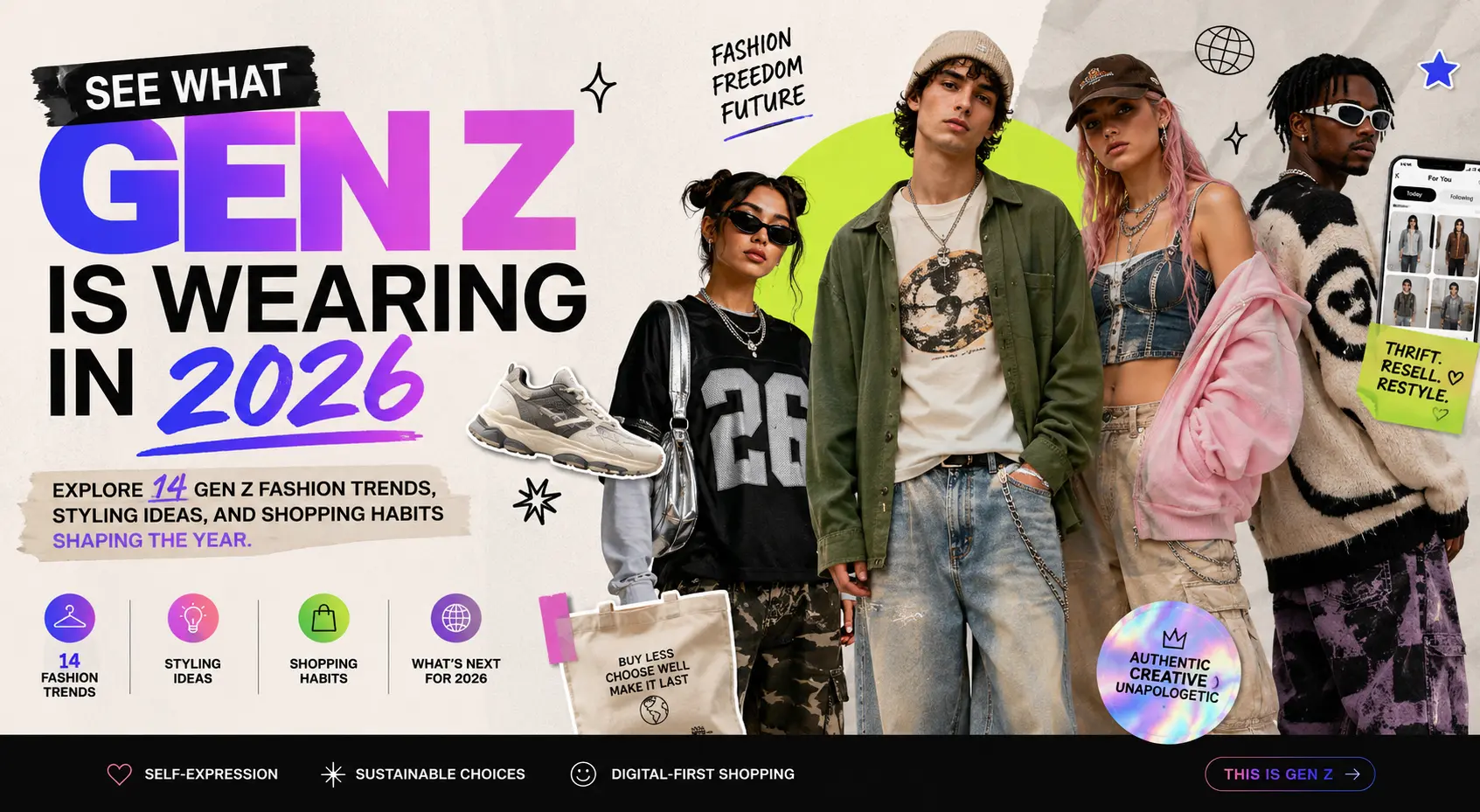
Every year, sustainability rankings place Gen Z at the top — the generation most likely to shun fast fashion, choose plant-based options, and pay a premium for eco-friendly products. But in 2026, a growing body of evidence is asking an uncomfortable question: are Gen Z’s values translating into actual behavior? And if not, who truly holds the green crown?
The assumption that younger automatically means greener has dominated brand strategy and media coverage for years. But new research from packaging company Arka — which analyzed purchasing motivations, shopping behaviors, buying triggers, and consumer influence channels across all living generations — alongside NIQ’s landmark The X Factor report (2025), tells a more nuanced and surprising story.
The Attitude–Behavior Gap in Gen Z
There is no question that Gen Z self-identifies as the most environmentally conscious generation. 91% say they want to buy from sustainable companies, and a Deloitte survey confirmed they are more likely than older generations to avoid flights, embrace plant-based diets, and reject fast fashion — in theory.
But intent and action are different currencies. YouGov data published in 2026 reveals that when Gen Z shoppers (aged 18–27) select clothing, price ranks first (52.1%) and value second (43.8%) — sustainability comes in at just 14.7%. Research from Wiley’s Psychology & Marketing journal (2025) uses a framework called Neutralization Theory to explain this gap: Gen Z consumers use psychological rationalisations to justify unsustainable purchases — “I recycle at home, so this one flight is fine” — producing three distinct consumer types: the Disengaged, Moderates, and Advocates, of whom only the last group consistently translates values into spending.
“Gen Z earns the green headlines, but their eco-choices are often budget-driven, not purely values-based.”
— Sustainability Consultant, Arka (2026)Gen Z already spends an average of $6,700 annually — more than many older consumers — and commands roughly 62% of its general merchandise purchases from physical stores, visiting clothing shops twice as often as older demographics. The rapid micro-trend cycle on TikTok and Instagram, which refreshes fashion identities every few weeks, continues to fuel impulse spending that directly conflicts with sustainable ideals.
Generational Sustainability Breakdown: Who Really Buys Green?
| Generation | Born | Recycle/Upcycle Rate | Eco Brand Preference | Primary Driver |
|---|---|---|---|---|
| Gen Alpha | 2010–2024 | Gaming-led discovery | Play, Co-creation | |
| Gen Z | 1997–2012 | 62% prefer sustainable brands | Authenticity, Trend | |
| Millennials | 1981–1996 | 60% willing to pay more | Investment, Quality | |
| Gen X ★ | 1965–1980 | Recyclable packaging +8.4% YoY | Reliability, Pragmatism | |
| Baby Boomers | 1946–1964 | Loyalty over eco claims | Trust, Heritage |
Sources: Arka Generational Study 2026; NIQ The X Factor 2025; Deloitte 2025; YouGov 2026; First Insight. ★ = Top-ranked for actual sustainability behavior.
The newest market entrant already commands $28 billion in direct annual spending — on top of significant purchases driven by parents and caregivers. While they share Gen Z’s social media instincts (TikTok, YouTube Shorts), their primary brand discovery channel is gaming: Roblox, Fortnite, and streaming influencers shape their preferences far more than Instagram.
Legacy brands that only just cracked Gen Z’s code are finding Gen Alpha even harder to reach. The co-creation instinct — wanting to personalise, remix, and participate in the brand — is their defining commercial trait.
Gen Z’s buying power is growing fast — projected to hit $12 trillion globally by 2030 — but in 2026 it still trails Millennials and Gen X. This income gap shapes their purchasing culture: a balancing act between affordability and aspiration. The result is a distinctive mix of thrifted basics, resale app hauls (Depop, Poshmark), and the occasional luxury splurge tied to quality and longevity.
Their brand discovery is deeply social-media-led. Micro-trends with a lifespan of days, not seasons, keep them in a constant consumption loop that clashes with their stated environmental values. Research from NielsenIQ’s Spend Z report (2024) shows Gen Z is willing to pay up to 10% more for sustainable products — but only when budgets allow, making eco-choice a privilege, not a default.
Millennials share Gen Z’s appetite for premium and designer goods, but the motivation differs fundamentally. Where Gen Z sees luxury as a marker of craftsmanship and durability, Millennials treat premium purchases as investment pieces or milestone rewards. The self-rewarding trigger — “I worked hard for this, I deserve it” — is uniquely powerful in this demographic.
Nostalgia is a defining and commercially underexploited motivator here — a quality that carries almost no weight with Gen Z or Gen Alpha. 60% of Millennials are willing to pay more for sustainable products, and their higher income base means eco-spending is less budget-constrained than Gen Z’s.
Here is where the data diverges sharply from perception. According to Arka’s 2026 analysis, Gen X is the most consistently sustainable generation in actual practice. Over 39% actively recycle or upcycle — compared to just 24% of Gen Z. NIQ’s The X Factor report (2025) goes further: a 2023 Boxed Water and Researchscape International study found that 59% of Gen Xers report recycling “often” or “always”, outpacing Millennials (50%) and Gen Z (44%).
The reason is structural. Gen X does not buy impulsively. They research purchases carefully across physical stores, brand websites, and email newsletters. Their shopping is driven by genuine need — replacing durable goods, planning for family life, upgrading for longevity. This pragmatic, considered approach to consumption is, in practice, among the most sustainable purchasing models possible: buy less, buy well, keep it longer.
Products with recyclable packaging claims have seen an 8.4% annual sales increase — a category disproportionately driven by Gen X buyers, according to NIQ. ESG as a headline buzzword may be losing some of its Gen X appeal, but tangible, verifiable sustainability claims — clean ingredients, recycled packaging, energy efficiency — remain powerful purchase drivers.
Baby Boomers are the most predictable and brand-loyal consumers of all living generations. Their spending preferences helped shape many of today’s leading brands — and once trust is established, they are extraordinarily resistant to switching. They are slow to adopt change, but their long-term loyalty to a single quality brand is, paradoxically, one of the most sustainable consumption patterns: minimal experimentation, minimal waste.
Loyalty programs are a highly effective tool with Boomers, reinforcing attachment and reducing churn. While they are not sustainability advocates by identity, their consumption patterns naturally support durability and quality — values that align with environmental longevity even without the green label.
What This Means for Brands in 2026
The data creates a clear strategic imperative: sustainability is not one size fits all, and marketing it as though it is is leaving commercial value on the table.
For Gen X, sustainability messaging must be grounded in function and proof — not lifestyle imagery. They respond to verifiable claims: certified recycled content, energy consumption data, repairability guarantees. Aspirational eco-advertising without evidence will bounce off Gen X entirely.
For Gen Z, the lever is transparency — not virtue signalling. They want to see supply chain openness, third-party audits, and honest acknowledgment of a brand’s impact gaps. Research from First Insight confirms that 76% of Gen X and 77% of Millennials make values-based purchase decisions, while Gen Z’s figure is comparable but complicated by budget friction. The brands winning Gen Z’s loyalty in 2026 are those that make the sustainable choice the affordable choice — or that build aspirational narratives powerful enough to override the price objection.
“Sustainability isn’t one-size-fits-all, and the data proves it. Gen X quietly leads the trend, with the majority supporting recycling efforts across the US and Europe. Same destination for brands and consumers — completely different roads to get there.”
— Sustainability Consultant, Arka (2026 Generational Purchasing Study)The Bigger Picture: Redefining What “Green” Means
If sustainability is defined purely by stated intent and brand advocacy, Gen Z leads. If it is defined by actual recycling rates, purchasing longevity, and resistance to trend-driven overconsumption, Gen X wins by a measurable margin.
This distinction matters enormously for policymakers, sustainability researchers, and brands crafting ESG strategies. Vocal sustainability advocacy without behavioral follow-through may generate more press coverage than it does environmental benefit. Meanwhile, the quiet, habitual, pragmatic sustainability practiced by Gen X — buying a reliable kettle once instead of five trendy ones — accumulates into substantial real-world impact.
As the global sustainability conversation matures in 2026, the industry is beginning to shift from measuring who says they’re green to measuring who behaves green. On that metric, the data has a clear answer.
Frequently Asked Questions
Which generation is actually the most sustainable in 2026?
According to Arka’s 2026 generational purchasing study and NIQ’s The X Factor report (2025), Gen X (born 1965–1980) is the most sustainable generation in real-world behavior. Over 39% of Gen X consumers actively recycle or upcycle, versus just 24% of Gen Z. NIQ data goes further, citing 59% of Gen Xers who say they recycle “often” or “always” — outpacing both Millennials (50%) and Gen Z (44%).
Why does Gen Z have a reputation for being the greenest generation?
Gen Z ranks highest on sustainability values and self-reported intent. They are more likely to identify as eco-conscious, engage with sustainability content on social media, and advocate publicly for environmental causes. However, their lower purchasing power, vulnerability to fast-fashion micro-trends, and the documented attitude-behavior gap mean their actual purchasing behavior is less sustainable than their values suggest.
What drives Gen X’s sustainable behavior — is it ideology or pragmatism?
Primarily pragmatism. Gen X is not buying sustainably because of an ideological commitment to environmentalism — they are buying sustainably because they prioritize quality, durability, and value. Buying once and keeping it longer, researching products before purchasing, and resisting trend-driven impulse spending are all deeply sustainable behaviors — even when not consciously framed as such.
How should brands market sustainability differently to Gen X vs Gen Z?
Gen X: Lead with function and verified proof. Certified claims, recyclable packaging, product longevity data, and reliability narratives outperform aspirational eco-imagery. Gen Z: Lead with radical transparency. Supply chain openness, third-party certifications, and making sustainable choices affordable and accessible are the highest-converting levers. Virtue signalling without evidence is counterproductive for both groups.
How much will Gen Z’s spending power grow by 2030?
Gen Z’s global buying power is projected to reach $12 trillion by 2030. Currently, the average Gen Z consumer spends approximately $6,700 annually — more than many older generations on a per-transaction basis, but lower in overall household wealth terms, which creates the budget friction that undermines their eco-intentions.
What makes Gen Alpha different as a consumer group?
Gen Alpha (born 2010–2024) already accounts for $28 billion in direct annual spending. Unlike Gen Z, whose brand discovery is heavily social-media-driven, Gen Alpha finds brands primarily through gaming platforms — Roblox, Fortnite, and streaming influencers. Their core motivators are play, identity, and co-creation, presenting a significant adaptation challenge for legacy brands.
Sources & Research References
- Arka Packaging — Generational Purchasing Motivations Study, 2026
- NIQ — The X Factor: How Generation X Is Quietly Driving Trillions in Consumer Spending, 2025
- Deloitte — Global Gen Z & Millennial Survey, 2025
- First Insight — State of Consumer Spending: Generational Sustainability, 2025
- NielsenIQ — Spend Z Report, 2024
- YouGov / Whole Foods — Gen Z Sustainable Spending Survey, 2024–2026
- Wiley Psychology & Marketing — Understanding Gen Z Consumers: A Typology of (Un)sustainable Purchases, Hosany et al., 2025
- Boxed Water & Researchscape International — Generational Recycling Habits Study, 2023
- FashionUnited — Why Gen X May Actually Be More Sustainable Than Gen Z, May 2026
- Retail Times — Gen X Is the Most Sustainable Generation, Not Gen Z, Study Finds, 2026

Pankaj Dubey is an entrepreneur, business analyst, digital marketer, financial researcher, and brand strategist. He specializes in developing marketing strategies, building and positioning brands, and conducting in-depth business and financial research. He is also known for creating detailed case studies on reputed brands, analyzing market trends, and sharing insights through his writing and blogging. His work combines business intelligence, strategic thinking, and digital innovation to help businesses grow and strengthen their market presence.