Rapido Enters Food Delivery:
Can It Break the
Zomato–Swiggy Duopoly?
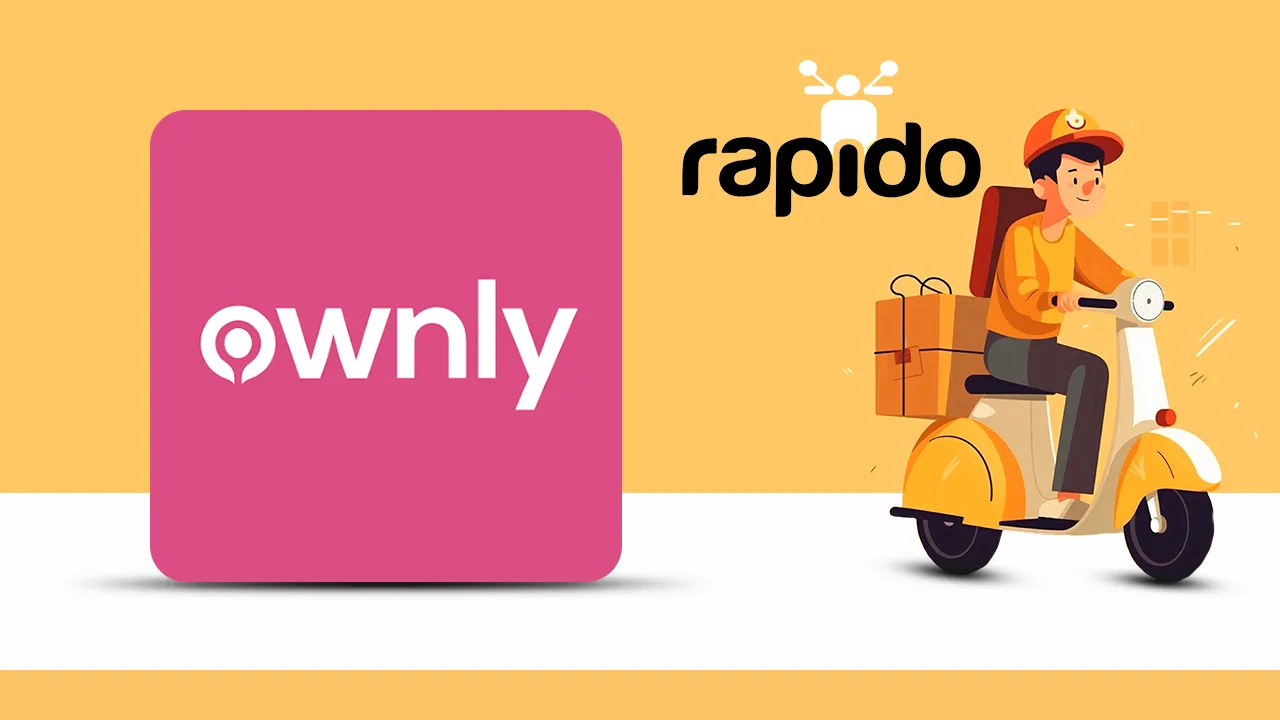
Zero commission. 40 lakh riders. NRAI backing. Rapido’s “Ownly” app is making the boldest challenge India’s food delivery duopoly has ever faced — here’s the full strategic breakdown.
Why Is Rapido Entering the Food Delivery Battlefield?
Three mounting pressures in India’s cab industry pushed Rapido to look for a new growth engine.
India’s ride-hailing landscape has changed dramatically over the last few years. Drivers are frustrated. Customers are frustrated. Governments are pushing back. And staying profitable has become a monumental challenge for every cab aggregator. Here’s why Rapido decided it was time to pivot — at least partially — toward food delivery.
Pressure #1 — The Incentive Collapse
When Ola, Uber, and Rapido first launched, they flooded the market with heavy driver incentives to build supply fast. Early drivers were earning ₹70,000–₹1,00,000 per month — enough to take home loans, enrol children in private schools, and upgrade their lives.

Source: The Economic Times (Nov 12, 2019) — Driver earnings collapsed as incentives dried up after market saturation.
But as the market saturated and the driver pool grew, those incentives were quietly slashed. The same drivers who once earned ₹80,000/month were now struggling to pay their EMIs. This financial pressure fundamentally changed driver behaviour — selective ride acceptance, AC avoidance, surge in cancellations, and pushing customers toward off-platform cash rides to avoid platform commissions.
Pressure #2 — Drivers Migrating to Food Delivery
Just as cab drivers were struggling, Zomato and Swiggy were aggressively scaling and offering their own heavy incentives to delivery partners. The economics were simply more attractive:
Lower Entry Cost
A bike or scooter — not a car or auto — was all you needed. Lower investment, lower risk.
Multiple Orders at Once
Deliver 2–3 orders in the time a cab driver completes just one trip. More income per hour.
Heavy Incentives
Zomato & Swiggy were aggressively scaling — and paying well to attract delivery partners.
This mass migration of two-wheelers from cab services to food delivery was a significant setback for Ola and Rapido, which depend on exactly this pool of riders.
Pressure #3 — Government Crackdowns
Multiple state governments have turned hostile toward cab aggregators. Karnataka banned bike taxis. Goa’s CM announced the state would resist ride-hailing apps. Maharashtra approved a bill requiring platforms to pay penalties for driver cancellations and capped surge pricing.
Uber, being a global player, can absorb the impact of one difficult market. But Ola and Rapido are India-first businesses — government restrictions hit them directly and disproportionately. This is exactly why Ola started diversifying (Ola Electric, Ola Money, Krutrim AI) and why Rapido is now making its boldest bet yet: food delivery.
India’s Food Delivery Graveyard: Who Failed and Why
Before we assess Rapido’s chances, let’s understand why so many well-funded platforms couldn’t survive.

Global food delivery giants — many tried entering India’s price-sensitive market. Most failed or exited.
India has seen a long list of food delivery apps launch with great fanfare — and quietly shut down. Just Eat, FoodPanda, Uber Eats, EatSure, Ola Café, Amazon Food — all launched, all failed. Even massive global platforms like Uber Eats and FoodPanda couldn’t crack India’s notoriously price-sensitive market.
| Platform | Parent / Backer | What Happened | Year Exited |
|---|---|---|---|
| FoodPanda | Delivery Hero (Germany) | Sold to Ola, shut down ops | 2019 |
| Uber Eats India | Uber (USA) | Acquired by Zomato in stock deal | 2020 |
| Amazon Food | Amazon (USA) | Quietly shut down pilot in Bangalore | 2021 |
| Ola Café | Ola | Discontinued — couldn’t scale | 2016 |
| EatSure | Rebel Foods | Pivoted to cloud kitchen only model | 2023 |
| ONDC (Food) | Government of India | Still active but negligible adoption | Ongoing |
The pattern is clear: India’s food delivery market is a two-player game. Zomato holds 58% market share; Swiggy holds 42%. Together they’ve built moats that have repelled every challenger — including government-backed ONDC. So why is Rapido confident it can do what everyone else couldn’t?
The 3-Stakeholder Problem That Kills New Entrants
Food delivery looks simple from the outside. It’s not. Here’s the brutal reality every new player faces.
Food delivery is a three-sided marketplace. To win, you must simultaneously onboard and satisfy three distinct groups — and here’s the cruel catch: each group only joins when the other two are already active.
Restaurants
Need consistent orders and delivery partners. Won’t join a new app without users and riders already active.
Delivery Partners
Need a steady stream of orders to earn reliably. Won’t commit without restaurants and customers already on platform.
Customers
Need restaurant variety and fast delivery. Won’t switch apps without both already in place.
🔄 The Chicken-and-Egg Flywheel
Restaurants
Customers
Orders
Riders
Delivery
Break any one link in this chain and the whole cycle collapses. This flywheel also explains why first movers like Zomato have an almost unbeatable advantage: they have years of data, which feeds smarter delivery assignment algorithms, which means faster delivery, which means happier customers, which means more orders — compounding every single day.
Rapido’s 4 Genius Strategies to Break the Duopoly
Rapido isn’t trying to out-Zomato Zomato. It’s rewriting the rules entirely.

Source: Business Standard — NRAI, representing 50,000+ restaurants, formally backs Rapido to challenge Swiggy and Zomato’s dominance.
0% Commission — Honest Pricing That Wins Restaurants Instantly
Zomato and Swiggy charge restaurants 20–30% commission on every order. For small restaurants operating on thin margins, this is crippling. Many report near-zero net profit from these platforms despite high order volumes. Rapido’s answer: zero commission. Instead, it charges a simple monthly subscription fee — a fixed, predictable cost. This single move generated overwhelming restaurant support from Day 1, with NRAI (National Restaurant Association of India), representing 50,000+ eateries, formally backing Rapido’s initiative and calling Zomato/Swiggy’s commission model “unfair.”
Data Ownership — Giving Restaurants Their Customer Data Back
Zomato and Swiggy never share customer data with the restaurants — the platforms keep all purchase history, preferences, and behavioural data to themselves. This means restaurants on these platforms are essentially blind to their own customers. Rapido has committed to sharing customer data with partner restaurants, enabling them to understand buying patterns, plan menus smarter, and make data-driven decisions — something they could never do on Zomato or Swiggy.
Delivery Flexibility — Restaurants Choose How Orders Are Delivered
On Rapido’s platform, restaurants have the freedom to use their own delivery staff instead of Rapido’s fleet. There’s no compulsion. If a restaurant already has delivery boys, they can keep using them and still list on the Rapido app. This reduces operational dependency and lowers resistance to joining — restaurants don’t feel locked in.
High Volume Play — Lower Prices, More Orders, More Revenue
Rapido’s big bet: lower price per order = higher order frequency. A customer who orders food once a week might order 2–3 times a week if the price drops significantly. Rapido has even advised restaurants to keep at least 4 dishes priced under ₹150 to attract budget-conscious consumers — particularly powerful in Tier 2 and Tier 3 cities. This is the same playbook Meesho ran against Amazon and Flipkart: where they charged 15–20% commission, Meesho charged 0% — and became the first choice for smaller cities.
₹234 vs ₹451 — The Price Difference That Changes Everything
This isn’t a promotional discount. Rapido says this is their permanent pricing model.
NDTV’s investigation compared the price of the same food item across all three platforms. The results were staggering:
Why is there such a massive price difference? On Zomato and Swiggy, restaurants are forced to inflate their online menu prices to recover the 20–30% commission they pay per order. They’re essentially passing the platform’s cut on to the customer — while also adding delivery fees and platform fees on top. With Rapido’s 0% commission, the restaurant lists at its actual price. The customer pays what the food actually costs.
40 Lakh Riders — 4× Zomato and Swiggy Combined
Rapido’s existing delivery network is its single most powerful competitive advantage.
Every new food delivery app has to build its rider network from scratch — a painful, expensive, and time-consuming process. Rapido doesn’t have this problem. It already operates India’s largest two-wheeler mobility network.
Rapido’s 40 lakh (4 million) riders dwarfs Zomato’s 4.3 lakh and Swiggy’s 5.3 lakh. Combined, Zomato and Swiggy have about 9.6 lakh delivery partners. Rapido has more than four times that — already active, trained, and familiar with city roads.
The Zypp Electric Partnership
Rapido has also partnered with Zypp Electric, a two-wheeler EV company that operates on a monthly subscription model. This matters because it removes a key barrier to joining: potential delivery partners don’t need to own a vehicle. They can subscribe to a Zypp EV for a monthly fee and join Rapido’s delivery fleet. Lower entry barrier + lower operating cost (EVs are cheaper to run) = a more attractive proposition for riders, especially in an era of high petrol prices.
Zomato & Swiggy Aren’t Sitting Still — Meet Bistro and Snackk
Both incumbents had contingency plans ready before Rapido even launched.
Zomato and Swiggy aren’t waiting to see how Rapido plays out. Both have already launched separate apps targeting a segment they may have been underserving: quick, affordable, everyday meals.
| Product | Parent | Target User | Strategic Goal |
|---|---|---|---|
| 🔴 Bistro | Zomato | Budget-conscious daily meal orderers | Affordable everyday ordering separate from premium Zomato |
| 🟠 Snackk | Swiggy | Quick snack & small meal buyers | Compete in the low-price, high-frequency ordering segment |
Why launch a separate app instead of simply lowering prices on the main app? Because cutting commissions on Zomato/Swiggy would cannibalize their core revenue model and upset existing restaurant partners who built their pricing strategy around the current system. A separate app lets them experiment with a new model without disturbing their existing flywheel.
5 Business & Marketing Lessons from This Entire Drama
Whether Rapido succeeds or not, the strategy it’s executing holds powerful lessons for every entrepreneur and marketer.
Attack the Unhappy Stakeholder — Not the Happy Customer
Rapido didn’t try to lure away Zomato’s customers first. It went to the most frustrated party in the ecosystem — the restaurants — and solved their specific pain (high commissions, no data, forced delivery). NRAI’s backing was the result. Win the supply side first, demand follows.
Use Your Existing Infrastructure as an Unfair Advantage
Rapido isn’t building a food delivery business from scratch — it’s repurposing an existing 40-lakh rider network. The lesson: before seeking new resources, ask what you already have that can be redeployed. The best competitive moats are built from assets others can’t quickly replicate.
The Meesho Playbook: 0% Commission Is a Category-Creating Move
When Meesho entered e-commerce against Amazon and Flipkart, it charged 0% commission — and became the dominant player in Tier 2 and Tier 3 India. Rapido is running the exact same playbook. In price-sensitive markets, removing the middleman fee isn’t just a tactic — it’s a strategy that can redefine who the market belongs to.
High Volume at Low Price Beats High Margin at Low Volume
Rapido’s entire business model bets on frequency over margin. If a ₹234 order generates 3× the order frequency of a ₹451 order, the total revenue can be equal or higher — while the customer wins and the restaurant wins. This is classic price elasticity thinking applied to marketplace design.
Regulatory Pressure Can Become the Mother of Innovation
Rapido entered food delivery partly because government bans and restrictions were squeezing its core cab business. The lesson: external constraints, when they can’t be fought, must be converted into redirection. The best founders don’t fight the environment — they find opportunities within it.
Frequently Asked Questions
Rapido’s food delivery platform is called Ownly. It has been piloted in Pune and is being expanded to other cities. Ownly operates on a zero-commission subscription model for restaurants, meaning restaurants pay a flat monthly fee instead of giving up 20–30% of every order. The pilot has received strong early traction due to NRAI’s backing and the significant price difference versus Zomato and Swiggy.
The price difference is structural, not promotional. On Zomato and Swiggy, restaurants pay 20–30% commission per order. To recover this cost, they list higher prices on these apps vs. their own menu. Customers then also pay delivery fees and platform fees on top. On Rapido/Ownly, there’s zero commission — so the restaurant lists at its actual price. No inflated menu + no platform fee = significantly lower total cost for the customer. NDTV reported the same dish costing ₹451 on Swiggy, ₹402 on Zomato, and just ₹234 on Rapido. This is the expected permanent pricing, not a limited-time offer.
Rapido makes money through a monthly subscription fee paid by restaurants instead of per-order commission. The business logic is a high-volume play: lower prices drive much higher order frequency — potentially 2–3× more orders per customer per week. More orders = more deliveries = more subscription revenue. Additionally, Rapido already has a massive existing infrastructure (40 lakh riders) whose fixed costs are spread across both cab and food delivery services, making food delivery an incremental revenue stream rather than a standalone cost centre.
The National Restaurant Association of India (NRAI), which claims to represent over 50,000 restaurants, has long complained about the commission structures of Zomato and Swiggy. Their grievances are threefold: high per-order commissions (20–30%), no access to customer data (which the platforms keep entirely), and forced dependency on the platform’s delivery fleet. Rapido’s model directly addresses all three pain points — zero commission, data sharing with restaurants, and optional use of Rapido’s delivery fleet. NRAI sees Rapido as the first credible, scaled alternative that could genuinely shift the power balance back toward restaurant owners.
This is the million-rupee question. Rapido has genuine advantages that previous challengers lacked: a pre-existing 40-lakh rider network (vs. Zomato’s 4.3L and Swiggy’s 5.3L combined), strong institutional backing from NRAI (thousands of restaurants ready to onboard from Day 1), a structurally lower price point that isn’t dependent on discount burn, and the Zypp Electric partnership lowering rider entry barriers. However, the risks are real: Zomato and Swiggy have years of delivery algorithm data, massive user loyalty, and aggressive counter-strategies (Bistro, Snackk). Rapido still needs to build customer trust, a strong app experience, and city-by-city scale. Most analysts see Rapido as a genuine long-term threat — potentially disrupting the duopoly in Tier 2 and Tier 3 cities first, much as Meesho did in e-commerce.
🛵 Rapido vs Zomato vs Swiggy — The Battle Has Begun
India’s food delivery duopoly faces its most serious challenge yet. Whether Rapido rewrites the rules or becomes the next name in the graveyard — it’s going to be one of the most fascinating business stories of 2026.
📰 Business Standard | The Economic Times | NDTV | Sources cited above.
All company names, trademarks, and logos belong to their respective owners. Market share data and pricing comparisons sourced from Business Standard, NDTV, and The Economic Times as cited. This is an independent editorial analysis. Last updated: July 2026.