When it comes to job interviews, first impressions are crucial, and your attire plays a significant role in shaping that initial perception. The way you dress for an interview can communicate your professionalism, attention to detail, and respect for the position and company. For freshers stepping into the corporate world, this can be particularly daunting. Choosing the right outfit can be a puzzle. A well-selected shirt and pants can complement your overall appearance, signalling that you are serious and prepared for the opportunity at hand. This blog aims to demystify the process of selecting appropriate interview attire for freshers. From understanding the nuances of choosing the right clothes to piece together a complete outfit, we’ll provide comprehensive guidance to ensure you step into your interviews with confidence and style.
Understanding the Company Culture
Deciphering a company’s culture and dress code is an essential step in interview preparation, and it often dictates whether khaki pants or more formal attire is appropriate. To gain insights into a company’s culture, start by thoroughly researching its online presence.
Social media platforms are also a treasure trove of information. Platforms like LinkedIn, Instagram, and even Twitter can offer a more candid glimpse into the company’s day-to-day life. Pay attention to posts about corporate events, office life, and employee activities. If you observe employees wearing more casual attire, such as denim pants with casual shirts, it may indicate a more relaxed dress code.
Another method is to reach out to current or former employees through professional networks. A quick, polite inquiry about the dress code can yield direct and valuable insights.
Aligning your outfit with the company’s culture is not just about dressing appropriately; it’s a subtle signal to your potential employer that you understand and respect their values and work environment. Whether it’s leaning towards formal business attire or opting for a smart combination of khaki pants and a crisp shirt, understanding and matching the company’s culture in your attire can significantly impact the first impression you make.
General Dress Code Guidelines
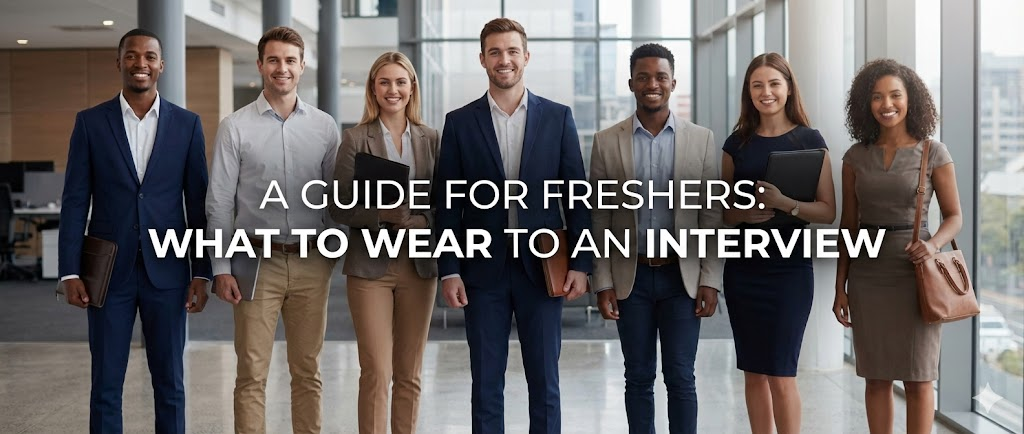
Navigating the nuances of professional attire is key to making a positive impression in an interview. There are generally two main categories: business formal and business casual. Business formal typically includes a suit and tie for men and a tailored suit or dress with a blazer for women. On the other hand, business casual allows more flexibility, often including cotton pants with a shirt for men and a skirt or pants with a blouse for women.
Regardless of the dress code, neatness and conservativeness are paramount. Clothes should be clean, well-ironed, and fit properly – not too tight, but not overly loose. Stick to classic colors like navy, black, gray, or dark green, as these convey professionalism and seriousness. For both men and women, it’s important to choose garments that are comfortable yet presentable, allowing you to focus on the interview without distraction.
When selecting your interview attire, aim for a balance between professionalism and comfort, ensuring your outfit is neat, conservative, and appropriate for the company’s dress code.
Accessorizing for the Interview
Accessorizing for an interview is about enhancing your professional appearance without overshadowing it. For both men and women, the key is to keep it minimal and tasteful.
Men should consider a classic watch, which adds a touch of professionalism. A leather belt that matches your shoes can tie your outfit together. Avoid overly flashy jewellery; a simple wedding band or a conservative watch is usually enough.
For women, small earrings and a modest necklace can add a touch of elegance without being distracting. Choose a professional watch and a belt that complements your outfit if necessary. It’s generally advisable to avoid large, flashy jewellery or multiple rings.
Grooming is an essential part of your presentation. For both genders, hair should be neatly styled and nails clean and trimmed. Fragrances, if used, should be subtle, as strong scents can be overpowering in close interview settings. This attention to detail in accessories and grooming not only completes your outfit but also shows the interviewer that you are meticulous and well-prepared.
What to Avoid?
When dressing for an interview, avoiding certain attire missteps is as important as choosing the right outfit. A common mistake is overdressing or underdressing. While it’s crucial to look professional, overly formal attire in a casual work environment can seem out of touch. Conversely, underdressing, like opting for denim pants in a formal business setting, can come across as unprofessional or disrespectful.
Inappropriate clothing choices, such as overly casual items (like shorts or flip-flops), flashy or loud prints, and revealing attire, should be avoided. Accessories should be kept understated; large, ostentatious jewellery or accessories can be distracting.
The impact of these poor attire choices on interviewer perceptions cannot be overstated. Inappropriate dress can convey a lack of understanding of the workplace culture or an indifference to the importance of the interview. It’s essential to strike a balance that reflects professionalism, respect for the company’s culture, and your personal style.
Conclusion
Dressing appropriately for an interview is a blend of professionalism and personal comfort. The right attire not only makes a positive first impression but also boosts your confidence, a crucial factor in any interview setting. Remember, how you present yourself visually can speak volumes about your professionalism and suitability for the role. For freshers venturing into this crucial phase of their careers, making thoughtful wardrobe choices is key. If you’re looking for a range of options that strike this balance, consider exploring Blackberry’s shirt and pants collection, known for its blend of style, professionalism, and comfort. Their range can provide the perfect foundation for your interview-ready wardrobe.
People also ask before buy
1. What is the best interview outfit for freshers?
The best interview outfit for freshers depends on the company’s dress code. For corporate roles, business formal attire such as a suit (for men) or a blazer with formal trousers or a dress (for women) is ideal. For companies with a relaxed culture, business casual outfits like well-fitted shirts with formal pants or khakis can work well.
2. How can I understand a company’s dress code before an interview?
You can research the company’s website and social media platforms like LinkedIn or Instagram to observe how employees dress. You may also politely ask HR or connect with current employees to get clarity on the expected dress code.
3. Is it better to overdress or underdress for an interview?
It is generally safer to be slightly overdressed than underdressed. However, your outfit should still align with the company’s culture. Dressing too casually can appear unprofessional, while dressing appropriately shows respect and seriousness about the opportunity.
4. What accessories are appropriate for an interview?
Accessories should be minimal and professional. Men can opt for a classic watch and a matching belt, while women may wear small earrings and a simple necklace. Avoid flashy jewellery, strong fragrances, or distracting elements.
5. What should freshers avoid wearing to an interview?
Freshers should avoid overly casual clothing like jeans, shorts, flip-flops, loud prints, or revealing outfits. Clothes that are wrinkled, ill-fitting, or too flashy can negatively impact the first impression and should be avoided.