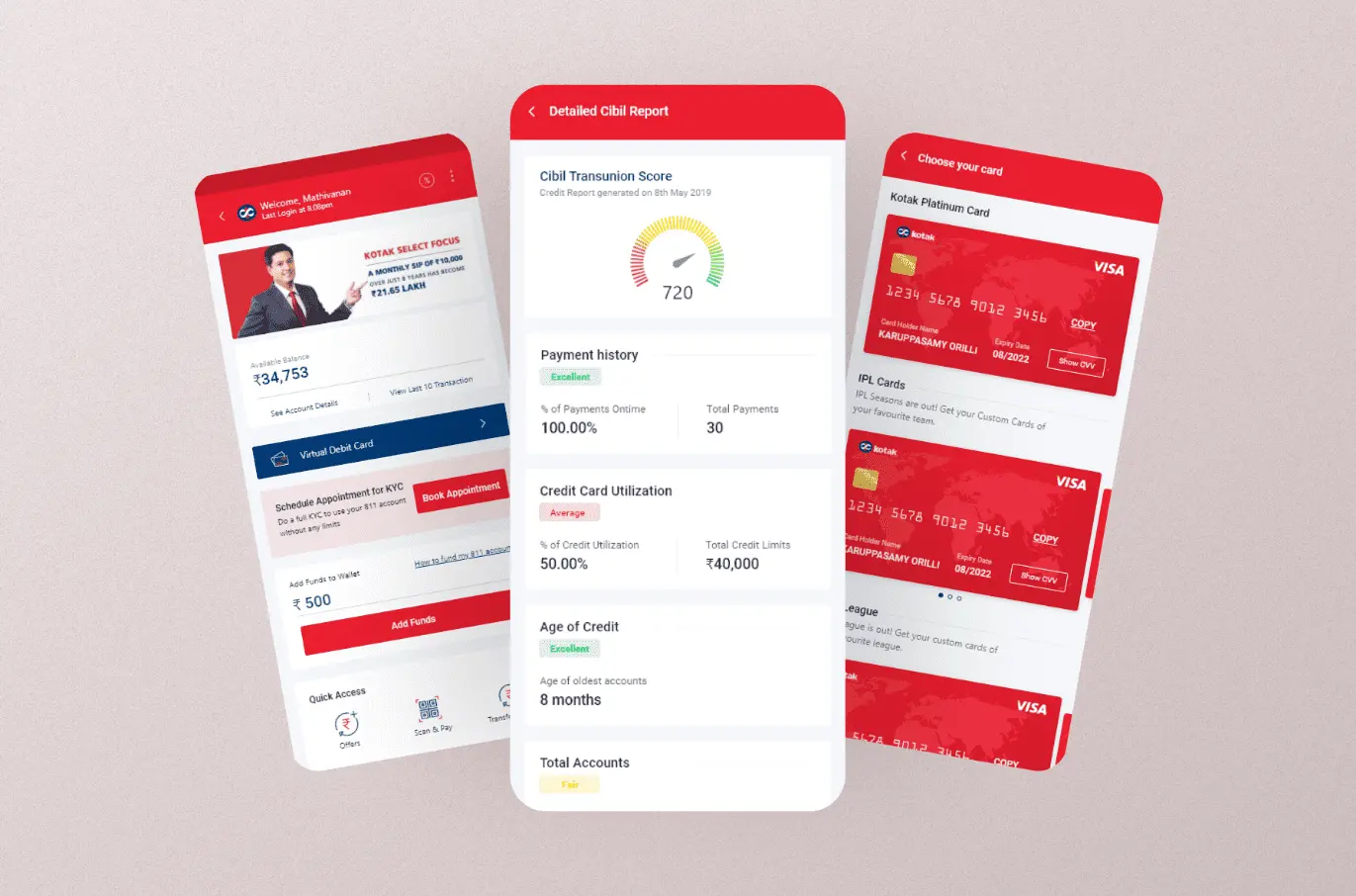

Can UPI Transactions Hurt Your CIBIL Score? Every Digital Payment User Must Read This
India Has Gone Fully Digital — But Is Your CIBIL Score Paying the Price?
Think about your last 10 purchases. How many did you pay for in cash? Probably none. From your morning chai to grocery shopping, from auto rides to electricity bills — UPI has quietly taken over every corner of India’s economy.
By August 2025, India was processing over 20 billion UPI transactions per month worth ₹25 trillion — that’s more digital transactions than Visa processes globally per day. India’s UPI now handles 84% of all digital payments in the country.
With so much of our financial life now flowing through PhonePe, Paytm, Google Pay and other UPI apps, a very reasonable question has started circulating among Indian users: “Is all this UPI activity hurting my CIBIL credit score?”
The short answer is no — but the full answer is much more interesting, and more important for anyone planning to take a loan.
Does UPI Directly Affect Your CIBIL Score? The Clear Answer
Regular UPI payments from your bank account do not appear on your credit report and have zero direct impact on your CIBIL score. No matter how many times you use PhonePe, Google Pay, or Paytm every day — your score will not go up or down because of those transactions.
❌ MYTH
“Every time I use UPI, my credit score drops because the lender thinks I’m spending too much money.”
✅ FACT
UPI transactions from your own bank balance are NOT reported to CIBIL or any credit bureau. They are debit transactions — your own money, spent by you. Credit bureaus only track credit-related activity.
❌ MYTH
“Making lots of UPI payments shows I’m financially active and improves my credit score.”
✅ FACT
UPI activity alone doesn’t build your credit score. CIBIL scores are built through credit products — loans, credit cards, and EMIs. UPI is a payment method, not a credit product.
What Actually Determines Your CIBIL Score?
To understand why UPI doesn’t affect your score, it helps to know exactly what does. Your CIBIL score (ranging from 300 to 900) is calculated from four key factors:
Notice what’s missing from this list?
UPI transactions, debit card payments, net banking transfers, or any other bank-to-bank payments. These are debit activities — money you already own being moved around. Credit bureaus only track how you manage borrowed money.
CIBIL 2.0 — The New System Changing Things in 2025
The RBI has been upgrading India’s credit scoring system (CIBIL 2.0). Key changes include faster 15-day reporting cycles (down from 30–45 days), and the gradual inclusion of alternative data sources like fintech lending and digital payment behaviour. However, regular UPI debit transactions remain outside CIBIL’s scope even under the new system.
CIBIL 2.0 Note:
Under CIBIL 2.0, UPI-linked credit products (like UPI Pay Later, Credit Line on UPI) will now be tracked more closely and updates will appear faster on your credit report. However, regular UPI debit payments remain unaffected.
The Indirect Connection — Why UPI Behaviour Matters to Lenders
Here’s the part most people miss. While UPI doesn’t change your CIBIL number, lenders look at much more than just your credit score when you apply for a loan — especially a personal loan or unsecured loan.
When you apply, lenders ask for 3–6 months of bank statements. And your bank statement is essentially a complete record of all your UPI transactions. This is where your digital payment habits become very important — not for your score, but for the lender’s decision.
What Lenders Look For in Your UPI-Filled Bank Statement
Regular salary credits on predictable dates, or steady business income inflows. This tells lenders you have a reliable income stream to repay EMIs.
Regular UPI payments for electricity, rent, insurance, subscriptions — all paid on time. This signals financial discipline to lenders.
Your account maintains a reasonable balance throughout the month — not just the day after salary is credited. This shows you’re not living paycheck to paycheck.
Salary comes in, money goes out in days, account hits zero regularly. This is a major red flag. Lenders see this as poor money management and may reduce loan amount or charge higher interest.
Sudden large UPI transfers to unknown accounts, with no clear pattern. Lenders may suspect gambling, undisclosed loans, or financial irregularities.
Too many small, irregular P2P UPI payments can look like informal loan repayments or side businesses — and clutters your financial profile.
Important Distinction:
This analysis doesn’t change your CIBIL score number, but it directly impacts the lender’s decision on your loan amount, interest rate, and sometimes approval itself. Think of it as a “shadow score” based on your daily financial behaviour.
| UPI Behaviour Pattern | Lender Interpretation | Impact on Loan |
|---|---|---|
| Regular salary credits + steady bill payments via UPI | Financially disciplined, stable income | Positive — better terms possible |
| Account frequently near zero after salary | Overspending, cash flow problems | Negative — lower loan amount or rejection |
| Consistent investment SIPs visible alongside UPI spends | Long-term financial planning ability | Very Positive |
| Multiple large P2P UPI transfers of unknown nature | Potential undisclosed debt obligations | Red flag — closer scrutiny |
| Timely UPI payments for rent/utilities every month | Responsible with recurring obligations | Positive |
| Failed/bounced UPI transactions due to low balance | Insufficient funds — financial stress | Negative |
| Regular UPI transactions to gambling/betting apps | High financial risk behaviour | Very Negative |
The Zero Balance Problem — A Silent Loan Killer
This is the most underappreciated aspect of UPI’s relationship with loans. Lenders don’t just look at your CIBIL score — they look at your financial cycle pattern.
Here’s exactly what a loan officer sees in your bank statement:
🔴 The Concerning Pattern (Zero Balance Cycle)
What the lender thinks: This person cannot manage money. If they can’t maintain savings with their current salary, how will they handle an EMI of ₹8,000/month on top of existing expenses?
🟢 The Reassuring Pattern (Healthy Cycle)
What the lender thinks: This person has a healthy savings habit. Even after all monthly expenses via UPI, they maintain a buffer. They can comfortably manage an additional EMI.
The Key Rule:
Lenders typically want to see that your average monthly bank balance is at least 3–4 times your proposed EMI amount. Frequent zero-balance periods, regardless of your CIBIL score, can result in loan rejection or unfavorable terms.
UPI Pay Later — This One Absolutely DOES Affect Your CIBIL Score
Here’s the most important exception every UPI user must understand. India’s NPCI introduced UPI Now Pay Later (Pre-Approved Credit Lines on UPI) — a feature that lets you pay via UPI using a bank-approved credit limit instead of your own balance.
Warning: UPI Pay Later is a CREDIT Product
Unlike regular UPI payments from your bank balance, UPI Pay Later is a loan. It is reported to CIBIL exactly like a credit card or personal loan. Missing payments, high utilisation, or defaults on UPI Pay Later will directly and immediately damage your credit score.
| Feature | Regular UPI (from bank balance) | UPI Pay Later / Credit Line on UPI |
|---|---|---|
| Money Used | Your own savings | Bank-approved credit (borrowed money) |
| Reported to CIBIL | ❌ No | ✅ Yes — reported as credit |
| Affects Credit Score | ❌ No | ✅ Yes — directly |
| Impact of Late Payment | No credit impact | Lowers CIBIL score immediately |
| Min. CIBIL Score Needed | None | Generally 750+ |
| Interest | Zero | Interest charged if not repaid on time |
| Examples | PhonePe, Google Pay, Paytm (from bank a/c) | PhonePe Pay Later, Paytm Postpaid, Bank credit lines via UPI |
New August 2025 Update:
From August 31, 2025, NPCI allows pre-approved credit lines on UPI with limits up to ₹50,000 (set by banks). This makes it very easy to spend on credit via UPI without realising you’re taking a loan. Always check whether you’re spending from your bank account or from a credit line within your UPI app.
The Positive Side — How UPI Actually Helps You Get Loans
Here’s a surprising truth that not enough people know: your UPI transaction history can actually help you get loans more easily — especially if you’re a freelancer, gig worker, or small business owner who doesn’t have traditional income proof like salary slips.
Many NBFCs and digital lenders now accept 6 months of UPI transaction history as supporting income evidence — particularly for freelancers, gig workers, and small business owners who can’t produce salary slips.
With UPI transaction data, many digital lenders can now process loan applications in 24–48 hours instead of the traditional 7–10 days. Your digital footprint replaces months of paperwork.
People with thin or no credit history can now demonstrate creditworthiness through their UPI transaction patterns — regular income credits, timely bill payments, and healthy balances.
Positive UPI Data Points Lenders Love to See:
Consistent income credits every month · Timely bill and insurance payments via UPI · Stable average balance maintained · Regular SIP/investment transactions alongside expenses · Growing transaction value over months (indicates income growth)
What Research Says: 10% More UPI Transactions = 7% More Credit Access
A landmark joint study by IIM Bangalore, Indian School of Business, Duke University (Fuqua), and CAFRAL found groundbreaking evidence of UPI’s positive impact on India’s credit system:
Research Conclusion:
UPI’s digital footprint has made it possible for underserved borrowers — including those without formal credit history — to access formal credit for the first time. The transaction data helps lenders accurately identify creditworthy individuals who would otherwise be invisible to the traditional credit system.
This research confirms that the relationship between UPI and credit is fundamentally positive — UPI is expanding credit access in India, not hurting it. The key is understanding which aspects of your UPI behaviour help and which can create concerns for lenders.
9 Smart UPI Habits That Keep You Loan-Ready
Now that you understand the full picture, here are the habits that keep your financial profile attractive to lenders — without changing your CIBIL score directly:
Never let your account reach zero. Aim to keep at least ₹10,000–₹15,000 as a minimum balance at all times — especially in the 2 weeks before applying for a loan.
Make your utility, rent, and insurance UPI payments in the first week of the month, before lifestyle spending. This shows lenders that you prioritise obligations over entertainment.
In the 3–6 months before applying for a loan, reduce frivolous or unexplained large transfers. Keep your UPI statement easy to read and straightforward.
Even ₹500–₹1,000 in a monthly SIP visible in your bank statement signals to lenders that you are building wealth, not just spending it.
Never miss a UPI Pay Later repayment. It is reported to CIBIL exactly like a credit card. Treat it with the same discipline you would treat an EMI.
If you run a business, use a separate UPI account for business payments. Mixing personal and business transactions makes your bank statement confusing for lenders.
UPI Pay Later and Credit Line on UPI are convenient but they add to your credit utilisation. Keep total credit card + UPI credit usage below 30% of your total credit limit.
Get a credit card (even a secured one against FD), use it for small purchases, and pay the full bill every month. This is what actually builds your CIBIL score — not UPI.
If you’re a freelancer or self-employed, export 6 months of UPI transaction history from your payment app and submit it as supporting income evidence along with your bank statement.
Frequently Asked Questions — UPI & CIBIL Score
No. Regular UPI payments made through PhonePe, Google Pay, Paytm, or any other UPI app from your bank account are NOT reported to CIBIL or any credit bureau. These are debit transactions — your own money being moved from one account to another. Credit bureaus like CIBIL, Experian, and CRIF High Mark only track credit products (loans, credit cards, EMIs). However, if you use UPI Pay Later or a Credit Line on UPI, those ARE reported to CIBIL because they are credit products.
Yes — indirectly. While a zero balance won’t change your CIBIL score number, lenders review your bank statements when you apply for loans. If they see that your account regularly hits zero shortly after salary credit, they interpret this as poor financial management. This can result in loan rejection, a lower loan amount than requested, or higher interest rates — even if your CIBIL score is good. Lenders typically like to see a healthy average balance throughout the month, not just on salary day.
Yes, absolutely. UPI Pay Later (also called Pre-Approved Credit Line on UPI) is a credit product issued by your bank. It is reported to CIBIL just like a credit card or personal loan. If you miss a payment, it will lower your credit score immediately. If you consistently pay on time, it can help build your credit history. Under the August 2025 NPCI update, you can access credit lines up to ₹50,000 via UPI — treat these with the same seriousness as any other EMI or credit card bill.
Yes, especially if you’re a freelancer, gig worker, or self-employed professional without traditional income proof. Many NBFCs and digital lenders now accept 6 months of UPI transaction history as supporting evidence of income. Regular inflows from clients or employers, combined with timely bill payments and a healthy balance, make a compelling case to lenders. A joint research study by IIM Bangalore and other institutions found that a 10% increase in UPI transactions in an area led to a 7% increase in credit availability — because digital footprints help lenders identify creditworthy individuals who lack formal credit history.
No. The number of UPI transactions you make per day has no bearing on your CIBIL score whatsoever. From a fraud perspective, NPCI and banks monitor for unusual transaction patterns (like multiple large transfers to the same unknown account), but normal everyday spending across multiple merchants is completely fine. What matters for loan assessment is not the number of transactions but the patterns they reveal — spending vs saving behaviour, income regularity, and balance maintenance.
Lenders see your bank statement, which shows UPI transactions as debit entries. In most bank statements, UPI transactions show the recipient’s UPI ID or name, and the transaction reference. Whether you used PhonePe or Google Pay to initiate the transaction is typically not visible — what’s visible is the bank account debit. However, if you submit your UPI app’s transaction history separately (as some lenders request for self-employed applicants), the app name would be identifiable.
UPI Pay Later and pre-approved credit lines on UPI are offered by banks based on your overall credit profile. Generally, a CIBIL score of 750 or above is required for eligibility, along with a stable income, active bank account, and completed KYC (PAN + Aadhaar linked to your mobile). Individual banks set their own eligibility criteria, so the exact threshold may vary. Your existing relationship with the bank (savings account, existing loans) also influences whether they offer you a credit line on UPI.
Indirectly, yes — but not because of UPI. Paying your credit card bill on time is what helps your CIBIL score. The method of payment (UPI, net banking, cheque) doesn’t matter. What matters is that the payment reaches your card issuer before the due date. Since UPI payments are instant, they’re actually one of the safest ways to ensure your credit card bill is paid on time — avoiding late payment marks on your credit report. So use UPI to pay your credit card bills promptly, and your score will benefit from the timely payment.
📋 The Complete Summary
Does NOT affect CIBIL score. Not reported to credit bureaus.
Affects lender decisions on loan amount and interest rate — indirectly.
DOES affect CIBIL score directly. It’s a credit product. Pay on time.
Can HELP you get loans — especially without traditional income proof.
Bottom line: Use UPI freely, but spend wisely. Your spending patterns are visible to lenders even if they don’t touch your credit score directly.
Help a friend avoid financial mistakes — share this article 🙏
📲 Share on WhatsApp