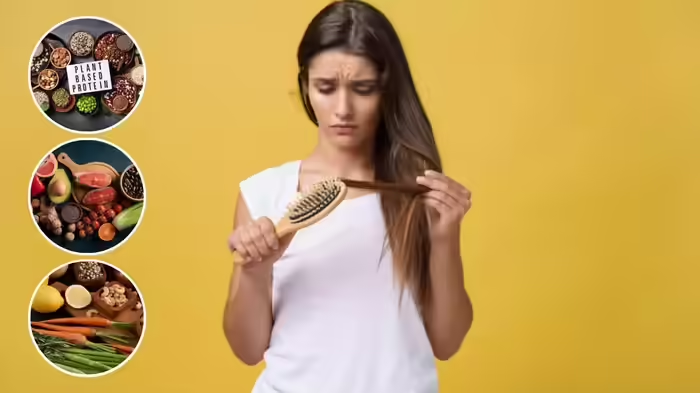
There are many reasons behind hair loss, the most common of which is nutritional deficiencies. If your hair is falling out due to a lack of nutrients, applying oil to your hair won’t help. You can improve the health of your hair by including these foods in your diet.
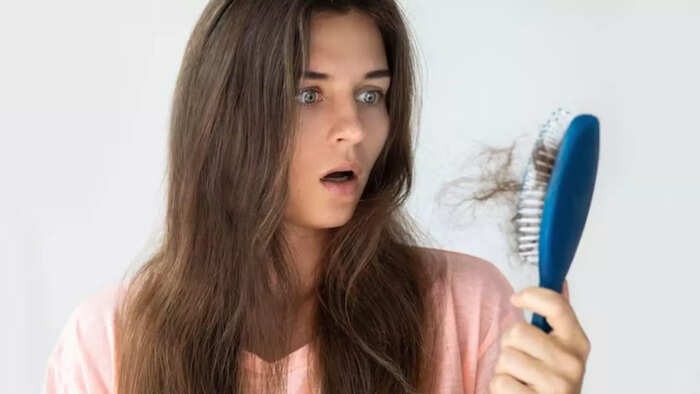
Hair fall has become a common problem these days. However, if this problem isn’t addressed and addressed promptly, it can worsen, potentially leading to baldness.
Everyone feels bad about hair loss, but many people, assuming it’s just a weather problem, leave it to its current state, which can have consequences later. Sometimes, hair loss can be
caused by a lack of nutrients. If your hair is falling out due to a lack of nutrients, no oil can fully work its magic. Instead of focusing solely on the superficial hair loss, focus on the root cause and prevent hair loss and baldness by incorporating the right ingredients into your diet.
What to do to stop hair fall?
Renowned nutritionist Nikita Gupta, known as Nutricop on Instagram, shared tips on preventing hair loss in a recent video. She says that the biggest cause of hair loss is genetics, and no oil can repair your DNA. Oiling your hair can add shine, but true hair growth begins from within. So, don’t rely solely on oil; instead, incorporate the right nutrients into your diet, which is the second most common cause of hair loss. You can revitalise your hair with these key nutrients.
Protein
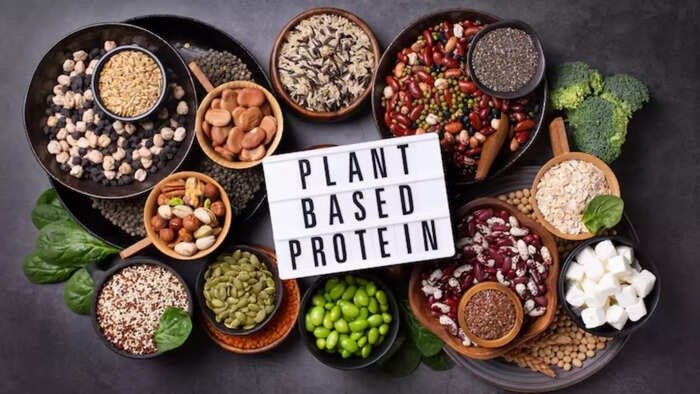
This nutrient not only helps you lose weight and build muscle, but it’s also crucial for healthy hair growth. Hair is primarily composed of a protein called keratin (95%). Adequate protein intake helps keep hair strong, healthy, and thick, while low protein intake can make it weak and brittle. You can supplement your protein needs by including lentils, Greek yogurt, tofu, quinoa, and cottage cheese in your diet.
Iron
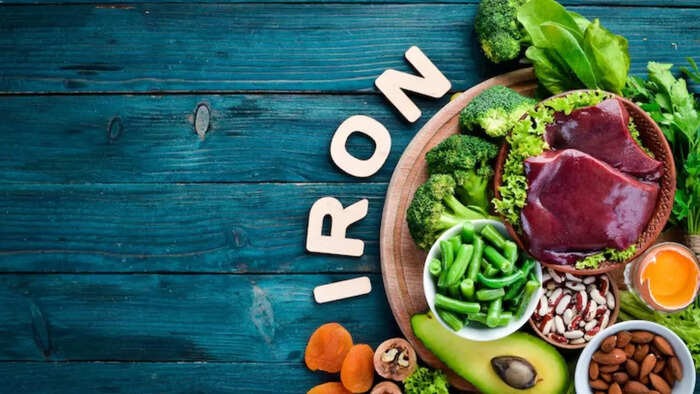
Additionally, iron deficiency also impacts hair health. It helps produce hemoglobin, which carries oxygen and nutrients to hair follicles through the bloodstream. Iron helps prevent hair loss. However, when it becomes deficient, excessive hair loss (telogen effluvium) can occur. Therefore, it’s crucial to consume adequate iron, which you can do by consuming spinach, pumpkin seeds, chickpeas, sesame seeds, and beets.
Vitamin D
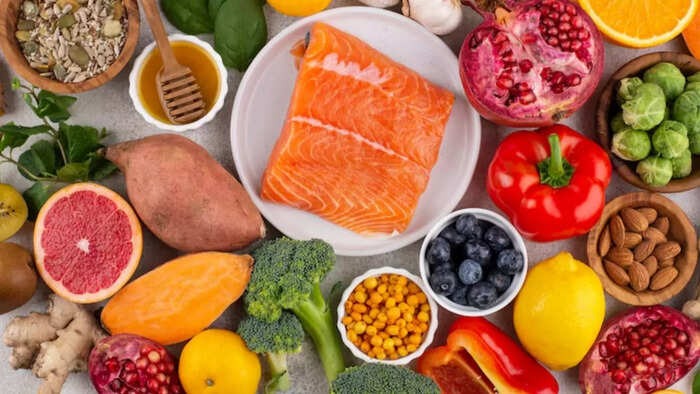
Yes, vitamin D is also essential for healthy hair. This nutrient helps activate hair follicles, which reduces hair loss and promotes healthy hair growth. Vitamin D deficiency has been linked to hair thinning and genetically inherited hair loss. In addition to sun exposure, you can also get vitamin D from certain foods, such as mushrooms and fortified milk.
Zinc
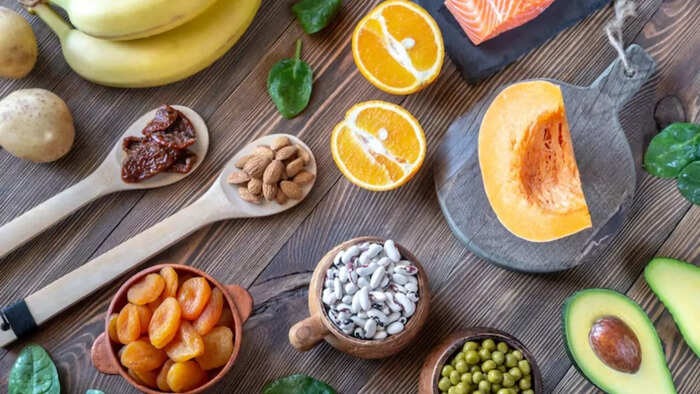
Zinc is also crucial for the health, growth, and strength of hair follicles. This nutrient is considered a protector of the scalp and hair, helping repair tissue, control dandruff, and strengthen hair follicles. A deficiency can lead to hair loss, thinning, and dry, brittle hair. You can supplement zinc by consuming pumpkin seeds, cashews, chickpeas, dark chocolate, and sesame seeds.
Vitamin B12
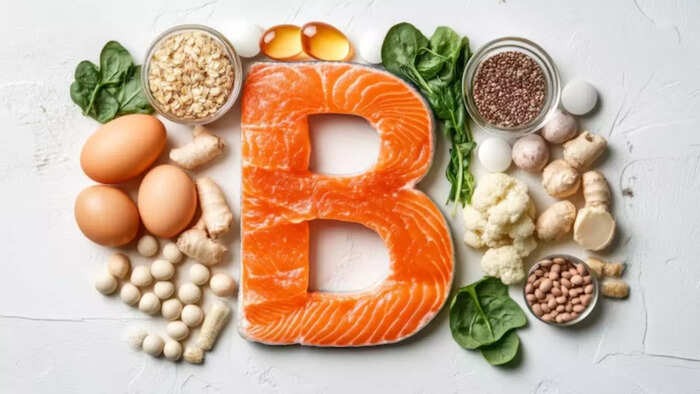
It is one of the most important vitamins for hair, essential for healthy hair in many ways. It also prevents premature graying and hair loss. It also helps in DNA formation and healthy hair growth. You can get your vitamin B12 from dairy, fortified cereals, fish, and eggs.
Disclaimer: This article is for general information only. It is in no way a substitute for any medication or treatment. Always consult your doctor for more information. Brands Awareness does not accept responsibility for its truthfulness, accuracy, or effectiveness.